Guide

Furniture Guide for Your Dining Room

Furniture Guide for Your Dining Room

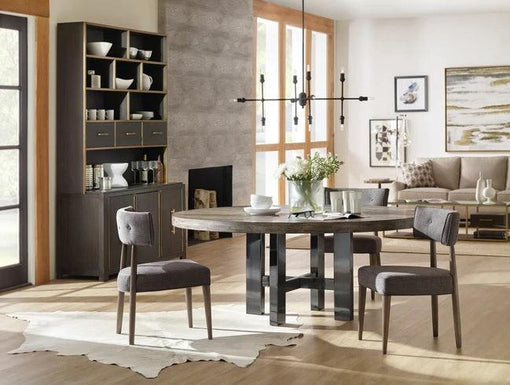
The dining room is probably one of the most crucial rooms in a house to decorate. It is nothing but a general and straightforward design process with a few pieces of dining furniture needed. By getting the right style and size of furniture for your dining space you can give the whole area a totally new look with no extra effort. So, if you want to make sure that you, your family members, and your visitors experience comfort and beauty in your dining area then you are at the right piece of information. We have got a guide for you about how to style your dining room with the available ranges and styles of dining furniture.Hooker Furniture Curata Round Dining Table Dining Tables Dining tables form an integral part of the dining furniture. One must keep in mind the size of the dining room and the number of persons to be seated while buying a dining table. Dining tables come in various sizes, styles, and patterns and can be chosen and bought according to the requirement. The various kinds of dining tables include buffets, tabletop decor and hutches, rectangular tables, tables with glass tops, round tables, and even more.Hooker Furniture La Grange 60in Friendship Table Dining Chairs and Benches Dining tables are incomplete without the right size of chairs for people to be seated for the meals. The dining chairs must always be chosen according to the height, size, and type of table so as to offer a plush dining experience. Dining benches are also a good seating option for the dining area.Lexington Ariana Bellamy Upholstered Side Chair Customizable Custom Storage Cabinets Apart from dining tables and chairs, storage cabinets also come under the category of dining furniture. Storage cabinets are meant to store cutlery, crockery ware, and other items of use depending upon your choice and requirement. Storage cabinets make the dining area look detailed and complete and accentuate the space in several aspects.Hooker Furniture Affinity Server Dining Room Decor There is no doubt in the fact that a major portion of the dining area relies on the dining room furniture but it is also true that opting for a minimal wall and accessory decor can only make the space look even more appealing and nice. Going for large art for your walls and lighting fixtures can always be a good decor idea for the dining space.John Richard Sale Gold Leaf Branches Branches I Summary Find sofas, tables, and other furniture accessories that make your living space décor complete with the flair of style and elegance. You can choose from a range of accessories, including area rugs, dressers, tables, stools, and much more. For more furniture accessories, including tabletop, rugs as well as lighting solutions, visit our website. We, at Grayson Living, cater to all your requests, from fabric samples, catalog shipments, and CAD designs, to inspirational boards. Our designers are always ready to accommodate any requests virtually.

Learn More
Furniture Guide for Your Dining Room
The dining room is probably one of the most crucial rooms in a house to decorate. It is nothing but a general and straightforward design process with a few pieces of dining furniture needed. By getting the right style and size of furniture for your dining space you can give the whole area a totally new look with no extra effort. So, if you want to make sure that you, your family members, and your visitors experience comfort and beauty in your dining area then you are at the right piece of information. We have got a guide for you about how to style your dining room with the available ranges and styles of dining furniture.Hooker Furniture Curata Round Dining Table Dining Tables Dining tables form an integral part of the dining furniture. One must keep in mind the size of the dining room and the number of persons to be seated while buying a dining table. Dining tables come in various sizes, styles, and patterns and can be chosen and bought according to the requirement. The various kinds of dining tables include buffets, tabletop decor and hutches, rectangular tables, tables with glass tops, round tables, and even more.Hooker Furniture La Grange 60in Friendship Table Dining Chairs and Benches Dining tables are incomplete without the right size of chairs for people to be seated for the meals. The dining chairs must always be chosen according to the height, size, and type of table so as to offer a plush dining experience. Dining benches are also a good seating option for the dining area.Lexington Ariana Bellamy Upholstered Side Chair Customizable Custom Storage Cabinets Apart from dining tables and chairs, storage cabinets also come under the category of dining furniture. Storage cabinets are meant to store cutlery, crockery ware, and other items of use depending upon your choice and requirement. Storage cabinets make the dining area look detailed and complete and accentuate the space in several aspects.Hooker Furniture Affinity Server Dining Room Decor There is no doubt in the fact that a major portion of the dining area relies on the dining room furniture but it is also true that opting for a minimal wall and accessory decor can only make the space look even more appealing and nice. Going for large art for your walls and lighting fixtures can always be a good decor idea for the dining space.John Richard Sale Gold Leaf Branches Branches I Summary Find sofas, tables, and other furniture accessories that make your living space décor complete with the flair of style and elegance. You can choose from a range of accessories, including area rugs, dressers, tables, stools, and much more. For more furniture accessories, including tabletop, rugs as well as lighting solutions, visit our website. We, at Grayson Living, cater to all your requests, from fabric samples, catalog shipments, and CAD designs, to inspirational boards. Our designers are always ready to accommodate any requests virtually.
Learn More
Rugs Buying Guide
Rugs Buying Guide
Choosing a rug often feels deceptively simple. It is far too easy to see a beautiful pattern online, hit the 'order' button, and then realize the rug looks like a tiny postage stamp in the middle of a massive living room. Or even worse, it looks stunning but feels like walking on a bed of dry hay. It is frustrating. But honestly, it happens to almost everyone at some point. That is exactly why having a reliable rug-buying guide is essential for creating a space that feels finished and lived-in. Benefits of Rugs A rug is not just something you throw on the floor to cover scuffs on wood. It shapes the room. It helps furniture feel connected. It adds warmth. It makes a space feel finished and lived-in. When you start looking at how to buy rugs, the choices can feel endless. Patterns, materials, sizes, textures. None of it is very clear at first. The good news is that rug shopping does not have to be stressful. When broken into simple steps, it becomes a much more manageable process. The goal is not perfection. The goal is a rug that looks good and works with real life. Kids. Pets. Spills. Daily foot traffic. Start with the foundation: Size and placement This part causes the most regret. Buying a rug that is too small. And almost everyone does it once. A small rug makes a room feel broken up. The furniture looks disconnected. Things don’t feel settled. And that’s not how you want your space to look.  In living rooms, at least the front legs of sofas and chairs should sit on the rug. This anchors the furniture and prevents the 'floating' look. If all the furniture legs fit on the rug, great. If not, front legs are usually enough. Dining rooms require extra space; chairs should remain fully on the rug even when pulled out to prevent legs from catching on the edges. If the chair legs are constantly catching on the edge of the carpet every time you have a meal, it gets annoying. In bedrooms, the rug should stick out past the sides and foot of the bed. That is where your feet go in the morning. Before spending any money, grab some blue painter's tape. Outline the rug size on the floor. It sounds like a chore, but seeing that blue box on the floor is the best guide before buying rugs. If the tape looks small, the rug will definitely look small. Understanding what rugs are made of Material affects three things. How the rug feels. How long it lasts. How annoying it is to clean. You might love the look of a delicate silk rug, but if you have a busy household, that rug is going to be ruined in a week. Wool: The classic choice. This natural fiber is incredibly soft, durable enough to last decades, and features a natural coating that resists stains. Just be ready to shed a bit of new wool rugs. It isn't a defect; it is just the rug "breathing" out its extra fibers. Synthetics (Polyester/Nylon): These are the workhorses of the home. They are much more affordable and can handle a lot of scrubbing. If there are kids or pets in the house, these are usually the smartest pick. Natural fibers (Jute/Sisal): These bring an earthy, organic vibe to a room. They look amazing in a sunroom or a modern farmhouse. Just keep in mind they aren't the softest. They are better for high-traffic entryways than for a nursery floor. The secret strength of performance rugs Lately, the line between "inside rugs" and "outside rugs" has basically disappeared. If you look at the Grayson Living outdoor rugs collection, they don't look like stiff plastic mats. They look like high-end indoor decor. This is kind of a win for anyone who wants a nice-looking home but knows mess is part of the deal. These rugs are meant to live outside, in rain and sun, so a spilled bowl of cereal or a muddy dog doesn’t really register. You vacuum them. Shake them out when they need it. And if things get bad, you hose them down and move on. That’s why using one in a kitchen or mudroom just works. Those rooms take the most abuse anyway. Having a rug that can handle it means one less thing to worry about. Choosing colors and patterns that last It is very tempting to buy a rug with a super trendy, bright pattern. But rugs are an investment. Rugs are something you'll likely live with for years. If your furniture is already pretty colorful, maybe go for a solid or a subtle tone-on-tone rug. On the flip side, if your room is mostly whites and greys, a rug is the perfect spot to go bold. Darker colors and busy patterns are much better at hiding the "crimes" of daily life. A white rug looks amazing in a magazine, but it turns you into a security guard for your floor. A traditional Persian style or a modern distressed look is much more forgiving. Pile height: How thick should it be? When people talk about a pile, they’re really just talking about how thick the rug feels under your feet. That’s it. The word sounds technical, but the idea is simple. High-pile rugs, like shag styles, feel great. Super soft, very cozy. They make a lot of sense in bedrooms where you want that warm, sink-in feeling first thing in the morning. The trade-off is upkeep. They trap dust, crumbs, and whatever else life drops on the floor. Vacuuming takes more effort, and in tighter spaces like hallways, it can feel a little awkward underfoot. Low-pile rugs are the opposite. Flat, tidy, and easy to live with. They’re ideal under dining tables since chairs move easily and crumbs don’t disappear into the fibers. Cleaning them is straightforward, which matters more than people think once the rug is actually in use. Most homes land somewhere in the middle. A medium-pile rug gives you some softness without creating extra work. It’s usually the safest choice for living rooms, where people sit, walk, and spend time every day. Practical bits you shouldn't skip Rug pads help prevent slipping, reduce wear, and add a small amount of cushioning. While they are often overlooked, they play an important role in extending the life of a rug. Using a rug pad is especially recommended on hard flooring surfaces. Conclusion A rug should make a space feel easier to live in. The size makes sense, material fits the space, placement feels natural, and design choices stop feeling forced. This rug-buying guide is meant to help with those basics. Nothing complicated. Nothing precious.
Learn More
What to Consider Before Buying a Console Table?
Console tables are rarely planned. They appear because a wall feels unfinished, or because some things, like keys, books, or a lamp, need a place to land. They live in the in-between spaces of a home, and perhaps that is why buying a console table often feels more uncertain than it should. You know you need one. You just do not want it to feel wrong. This console table guide does not begin with rules. It begins with observation. Understanding the Space Before Choosing the Table Stand in the space. Notice how you move through it. Entryways are passed through quickly. Hallways even more so. Living rooms slow people down, but only slightly. Console tables belong to these moments of transition. They should support movement, not interrupt it. If the table changes how you walk, pause, or reach, it is probably doing too much. Getting Proportion Right Proportion is the first quiet decision. A console table that is too narrow feels hesitant, as though it were placed temporarily. One that is too wide becomes imposing, even when beautifully designed. Aim for the 'Two-Thirds Rule': allowing the table to occupy roughly two-thirds of the wall or furniture it sits against tends to settle the space. Choosing the Right Height Height follows a similar logic. Most console tables fall between 28 and 36 inches, which allows them to sit naturally beneath mirrors, artwork, or lighting without forcing alignment. Why Depth Matters More Than You Think Depth, however, is where many mistakes may happen. It seems minor on paper, but it is not minor in reality. In entryways and corridors, even a few extra inches can disrupt movement. Buying a console table without considering depth often leads to regret. Selecting a Style That Belongs Style arrives next, though it should not arrive alone. A console table should not feel isolated from the rest of the room. Wood finishes bring warmth and familiarity. They ground spaces that might otherwise feel overly clean or sparse. Metal and glass introduce sharpness and lightness, often suiting modern interiors. Stone or marble surfaces carry weight, visually and physically and tend to work best when the space can support their presence. Using Contrast with Intention Contrast is not a problem when it feels intentional. For example, a restrained console beneath an ornate mirror or a sculptural table in an otherwise quiet room. The issue is not the difference, but the disconnection. The table should feel like part of the same conversation. Material Quality Material quality reveals itself slowly. Console tables are used more than expected because hands rest on them, and objects slide across their surfaces. Bags brush past their edges. Construction matters here, stable legs, balanced frames, finishes that wear gracefully. Decorative details fade quickly if the structure does not hold. Storage should respond to habit, not possibility. Drawers are useful when they serve a real purpose, especially in entryways. Shelves can hold baskets or books without closing off the design. But unnecessary storage often adds weight without benefit. Some spaces need openness more than function. Placement That Brings Balance Placement is where everything either comes together or quietly falls apart. In entryways, a mirror above the console creates both welcome and practicality. Behind sofas, the table should align closely with the sofa’s height to maintain balance. In hallways, restraint is essential, slim profiles, soft lighting, nothing that demands attention. A Thoughtful Approach to Buying a Console Table Styling should be deliberate and limited. A lamp, one object with presence, perhaps a small grouping. A console table does not need excess to feel complete. The console tables at Grayson Living offer designs that respect proportion, material, and understated presence. This console table buying guide is not about perfection. Buying a console table is about awareness of space, of movement, and of how objects live together. When the right table is chosen, it does not announce itself. It simply settles in, and the room feels quieter because of it.
Learn More
Styling Accent Chairs: Creating Balance and Character in Your Living Room
Accent chairs rarely arrive with grand intentions. More often than not, they enter the living room quietly; chosen for their shape, a fabric you couldn’t stop thinking about, or simply because the space felt like it needed something. And that instinct is usually right. Accent chairs are not fillers. They are moments. Styling them well is less about rules and more about awareness. Paying attention to how the room feels at different times of day. How people move through it or where conversations naturally settle. This accent chairs style guide is shaped by those observations rather than strict formulas. Let the Chair Find Its Place Living rooms are rarely symmetrical in real life, even if they appear that way in photographs. An accent chair doesn’t need a designated corner to justify its presence. Sometimes it belongs slightly off-center. Sometimes it drifts closer to the sofa than expected. A chair angled toward the seating area feels inviting without trying too hard. One placed near a window becomes a pause rather than a destination. These small, almost accidental decisions are what allow living room chairs to feel lived-in rather than staged. Contrast Is Where the Room Wakes Up Matching furniture sets can feel orderly, but accent chairs thrive on contrast. A tailored chair beside a relaxed sofa introduces quiet tension in a good way. Textured upholstery against smooth finishes adds depth without demanding attention. Contrast does not disrupt harmony but creates it. The key is restraint. Let one or two elements stand apart while the rest of the room supports them. The Gentle Statement of an Ottoman An accent chair with an ottoman changes the pace of a living room. It suggests ease. It encourages longer moments. It doesn’t announce comfort, it implies it. This pairing works especially well when placed slightly away from the main seating arrangement. Near a bookshelf, under a floor lamp, or beside a small table, it becomes a personal corner without feeling isolated. The room suddenly has more than one way to be used. Proportion Shapes the Mood Scale is easy to overlook and difficult to ignore once it’s off. A generously sized sofa calls for chairs with presence. Smaller living rooms benefit from lighter frames that allow the space to breathe. Spacing matters just as much. Chairs need room around them, not only for movement, but for balance. When living room chairs feel unconfined, the entire room feels calmer. Color Should Feel Familiar, Not Forced Accent chairs are often where color enters the room. The most successful choices feel connected rather than dramatic. A hue echoed in the artwork. A tone that quietly mirrors a cushion or rug. Repetition, even subtle, creates cohesion. Bold colors can work beautifully when they feel intentional rather than isolated. The goal is continuity, not restraint. Finish With the Human Layer This is where things stop looking planned. A throw draped casually. A cushion added because it felt right. A side table holding something personal rather than decorative. Ultimately, putting your personal touch into building the style of your accent chair will make a stunning statement. Accent chairs don’t need to impress. They need to belong.When styled with intuition and care, they quietly anchor the room. They soften edges, invite pause, and give the living room its rhythm. And that’s when the space feels complete; not perfect, just real.
Learn More
What to Consider Before Buying an Outdoor Furniture?
Outdoor living spaces have evolved beyond simple additions to the home; they are now primary areas for entertainment and relaxation. Whether it is an isolated spot or an entirely outdoors dining space, outdoor furniture would be an integral component of this space. If it is a purchasing decision you have made or will make someday in your life, there are certain things you must know, and an outdoor furniture guide is now here to help you. Start With How You’ll Use the Space Each outdoor space is meant for a different use. There are spaces designated for the use of lounges, and there are spaces for either dinner or the weekend. It is vital to prioritize the functionality of the space alongside the design. You have to measure it to see if there is enough room to walk about. Dining areas require a cohesive table arrangement, while lounging areas benefit from flexible seating that doesn't overcrowd the space. Seating areas require a seating arrangement that is flexible and will not overcrowd the space. Pick Materials That Fit Your Routine The type of material used for outdoor furniture is diverse, and the right material to select depends on the time you are willing to dedicate to maintaining it. Aluminum and powder-coated metal are lightweight, durable, and virtually maintenance-free. Wooden furniture, such as teak, adds warmth and timeless elegance but requires periodic care to maintain its luster. Synthetic wickers are perfect for a relaxed and casual outdoors and are more durable than natural wickers. “The right outdoors furniture manual is always based on this essential concept: Match the material to your climatic conditions and lifestyle.” Comfort Is Not Optional Many people do not spend that much on interior and furniture decorations, but comfort would be the point where functionality begins. Look for ergonomic support—chairs that allow you to sit comfortably for hours without the need for constant adjustment. For example, the chairs you use in dining can allow you to finish a meal without getting up. This goes a long way beyond what most people can expect. Think About Weather and Storage The furniture must withstand exposure to sunlight and rainfall and, in addition, seasonal variations. Water-resistant and UV-protected materials prevent fading and moisture buildup, ensuring your investment lasts for years. The furniture frames are protected by materials that ensure their longevity. When considering full exposure to weather elements, it is convenient to have stackable or lightweight furniture to facilitate storage during change in weather. Keep the Look Connected Outdoor furniture should have a sense of connection to other furniture within your dwelling. A clean line works well in a modern setting. Wood tones and woven textures will offer a more laid-back atmosphere. The trick is to window shop sets of furniture or accessories such as outdoor dining chairs. Quality Over Short-Term Trends Good-quality outdoor furniture is more durable and more enjoyable to use. Durability, reliability, and good design are generally more important than keeping abreast of whatever the current trend happens to be. The best possible buyer’s guide for outdoor furniture always leads the buyer right back to the subject of value. Final Thoughts Buying outdoor furniture depends on finding a good balance between all these factors: either you can have comfort and quality, or you can have good designs, and in all these, you will be left with a natural look that comes with outdoor living by default. This outdoor furniture guide doesn't just help you fill a space—it helps you create a destination you'll never want to leave.
Learn More
Accent Chair Buying Guide: How to Choose the Right Style?
Accent chairs do more than fill an empty spot in your home. They have the ability to showcase your personality, create a focal point through color, texture, and shape, and complete the overall design of the room.  Accent chairs buying guide For those considering accent chairs for their living rooms or looking to purchase an affordable way to help navigate the styles offered, this accent chair buying guide provides everything you need to know. 1. Understanding What an Accent Chair Really Does A chair is an accent chair when it is uniquely designed and stands out in its own space. Depending on the chair, it can complement your lounge chair or be a contrasting color or texture, or it can introduce a new or different element to the room. The majority of homeowners utilize accent chairs in their homes to have multiple layers of interest within the area and create an inviting environment, but can also be used to delineate and create small spaces such as reading nooks or entranceways. 2. Start With the Purpose of the Chair Determine how you plan to use your accent chair before exploring styles or fabrics. This will help keep you focused and narrow down your choices. Daily lounging: If the chair will be used often, comfort should be a priority. Look for chairs with deeper seats and supportive cushions, as well as soft fabrics. Occasional seating: If you'll use the chair only when guests are present, consider more design-forward frames with striking silhouettes. Statement piece: If you want to use the chair to make a statement in a room or complete the visual balance of a space, look for chairs made from bright colors or sculptural shapes, or that are made from unusual or eye-catching materials. Determining the purpose of your accent chair will help guide you in your exploration of the many options available at Grayson Living. 3. Pick a Style That Complements Your Space There are several different kinds of accent chairs to choose from: armchairs (classic and comfortable, perfect for lounging in your living room or working at your desk); wingback chairs (traditional-looking chairs with high sides that offer a nice, warm feeling of enclosure); slipper chairs (small, upholstered, and armless chairs that work well in tight quarters, taking up little vertical space when positioned); barrel chairs (full, rounded chairs with a high back that provide good support, making them ideal for more modern, polished settings); and swivel accent chairs (as the name suggests, these offer the ability to swivel at the waist, allowing you to change direction without needing to turn). 4. Look at the Scale and Proportion A common mistake made when selecting accent chairs for living room is failing to take measurements. While you may like how a particular chair looks on the Internet, once delivered, the proportion of that chair may be too large or too small to suit the size of your area. A few things to measure prior to selecting an accent chair: Seat height - The seat height should fall within the range of the seating heights of the couch or table it will be placed next to. Width and depth - Measure the area surrounding your potential accent chair to make certain there is sufficient space to walk in and around it. Back height - Chairs with taller backs create a strikingly bold look while chairs with lower backs are more laid-back and contemporary in design. By measuring these areas before shopping for an accent chair, you will be able to select a chair that fits comfortably in your home. 5. Choose the Right Upholstery and Materials The way fabric looks and feels can have a huge impact on how we feel in our homes, so choosing the best material for your home is always a matter of what fits best with your lifestyle. Performance Fabrics: Perfect for a family-friendly environment, homes with a lot of foot traffic, or homes with dogs or cats. Leather: Adds a touch of elegance to any decor. It also has an aging effect that most leather products undergo, and cleaning is done easily. Velvet: Velvet has a soft, graceful feel; it is best for creating an upscale look. Textural Fabrics: Textured fabrics give color to a wall or an accessory. They also create a visual point of interest, especially if there are too many smooth surfaces in the area around them. If you want your accent chair to be a focal point in your space, include a bold color, print, or other texture to enhance this purpose! 6. Coordinate With Your Existing Furniture It is not necessary that an accent chair match the color of the sofa you have, but rather that it coordinates and works within the overall decor of your home. Coordinate through using color, material and/or design theme. For example, if you are decorating with modern-design furniture, you may wish to choose an accent chair with a smaller-scale silhouette to use with those furniture pieces. Or you may want to accent your room with a matching or contrasting color/texture when the furniture is done in more traditional or ornate finishes. Also, if your furniture has a larger amount of neutral-colored pieces, using accent chairs to add pops of color can help create visual interest and impact without adding too much excess. 7. Think About Comfort and Practicality Do not sacrifice comfort for style when selecting an accent chair. When deciding on an accent chair you will be using frequently, you want to select a supportive cushion, a quality constructed frame with durable materials used in the frame, upholstered in a skin-friendly, soft fabric or leather, and lastly a well-made piece of furniture that continues to feel good to you after many years of usage and wear and tear on your skin. Final Thoughts The selection of an accent chair is much easier when you consider the purpose of each chair (size/style), the style of the chair, and the material. In this Accent Chairs Guide, you will be able to shop through the large variety of beautifully made accent chairs available at Grayson Living, and find an accent chair that best makes your space feel comfortable, inviting, and balanced! To learn more, check out the entire collection of accent chairs available at Grayson Living.
Learn More
Bernhardt Sofa Buying Guide
Most furniture guides treat sofa selection like a checklist: measure the space, pick a color, confirm delivery dates. But anyone who's lived with a poorly chosen sofa for five years knows the real stakes. The wrong one doesn't just look off—it can throw the entire room's gravity into disarray, becomes the uncomfortable seat everyone avoids, or worse, ages badly within eighteen months. Buying a Bernhardt Sofa A proper Bernhardt sofa buying guide acknowledges what's rarely discussed: choosing a living room Bernhardt sofa is less about aesthetics and more about understanding how construction, proportion, and material quality determine whether a piece earns its keep or becomes expensive regret. So, how do you pick the perfect Bernhardt sofa? Here's your detailed guide: Phase I: The Architectural Negotiation (Weight and Scale) Most guides will have you measure your space, but the real design secret lies in understanding visual weight. Bernhardt has a mix of bold, solid designs and lighter, airier ones. Picking the wrong one can totally throw off the balance of your room and make everything feel off. Take a space with high ceilings and tall windows. Put something delicate in there, and it looks lost. The Bernhardt Dawkins leather sofa handles this perfectly—those wide track arms and modern lines give it enough substance to hold the room without trying too hard.  Conversely, in smaller, urban apartments, a heavy frame can feel suffocating. In this case, look for Bernhardt models featuring exposed wood bases or thin, knife-edge arms. These details introduce negative space, making the profile visually lighter. Don’t forget to consider the depth of the frame itself, not just the cushions. That extra six inches in the arms can make all the difference between smooth flow and a cramped bottleneck near the coffee table. Phase II: The Tactile Story: Materials that Reflect Your Lifestyle The true durability of a living room Bernhardt sofa hinges on its upholstery, but lifestyle realism must dictate the final choice. Forget the staged catalogue perfection; what material will best handle the real life of your home? 1. The Patina vs. The Performance:  If your household includes pets or children, that dreamy, light-colored Bernhardt linen blend is a beautiful liability. The smarter investment is in materials designed to age with grace, not deteriorate instantly. Bernhardt’s selection of top-grain aniline leathers—especially those with a slight distressing or natural variation—develops a beautiful patina over time, making spills and scratches character marks rather than defects.  If fabric is non-negotiable (and sometimes it is), performance materials matter. Performance velvet or Crypton-treated boucle gives that soft, textured look without the panic when someone spills red wine. It's practical luxury, not just luxury that looks good until someone actually uses it. 2. Cushion Density:  Bernhardt sofas often allow for customization of cushion fill. This is the difference between a sofa that you sit on and one you sink into. For a firm, tailored sit for reading, request a high-density foam core with minimal wrapping. For that coveted "slouchy luxury," opt for a down-and-feather blend wrap over a foam core. This combination gives you the plush envelope without the total collapse that pure down suffers. When testing a floor model, spend at least five minutes there. Does the seat angle feel right? Does the back hit your lumbar area comfortably? You are testing an ergonomic investment as much as a stylistic one. Phase III: Testing Before Investing Nothing replaces actually sitting on a sofa. Visit Grayson Living and spend genuine time testing—not just a quick perch. Lean back, cross legs, sprawl out. Does the seat depth work for shorter legs or taller frames? Are the arms at a comfortable height? These factors will decide if your beautiful sofa becomes a cherished part of your daily life or just an expensive mistake. Phase IV: Making the Selection Work for Your Room Color choices trip people up constantly. That bold emerald velvet living room Bernhardt sofa looks incredible right now—but in five years? Neutral tones in quality fabrics last longer and work through style changes. Though personality shouldn't disappear completely. Texture adds interest without the commitment of color. The Bernhardt Candace Sofa's nailhead trim detail elevates a neutral fabric from plain to polished. Leg style affects both look and function. Exposed wooden legs make a sofa look lighter and—practical bonus—make vacuuming underneath actually possible. Skirted styles conceal storage space beneath but gather dust and pet hair. The Bernhardt Noel Sofa is a great choice as it features tapered legs that suit both traditional and contemporary spaces—versatility that proves invaluable during future redecorating. Conclusion The perfect living room Bernhardt sofa isn't the one that looks best in a catalog. It's always the one that survives the life it's going to live. Leather for pet owners. Featherblend for those who love sinking in (and don't mind fluffing). Track arms for tight spaces. Formal silhouettes for rooms that stay pristine.Measure, yes. But also imagine: Who sits here? What happens here? Will this sofa wear gracefully or fight daily life? That's the real guide—not the specs, but the story it'll tell a decade from now.
Learn More
How to Pick Accent Chairs That Complement Your Sofa?
The conventional wisdom about accent chairs usually stops at "pick a color from your throw pillows" or "contrast with your sofa." But here's the thing—anyone who's actually furnished a living room knows that approach often leads to spaces that look like they were assembled from a catalog page. The real accent chairs buying guide starts with understanding what most interior design articles won't tell you: your sofa is essentially a horizontal plane taking up massive real estate, and what sits beside it needs to do more than just "match." The Weight Problem Nobody Talks About Walk into any furniture showroom and try this experiment. Stand ten feet back from different sofa-and-chair pairings. Notice how some combinations make the room feel anchored while others seem to float awkwardly? That's visual weight, and it's criminally underexplored in most discussions about how to choose an accent chair. A low-profile sectional in charcoal linen, for instance, needs something with substance beside it—maybe the Lexington Zanzibar Tanzania leather chair with its quartered white oak construction in warm taupe, balanced against deep espresso accents. Pair that same sectional with something delicate, and suddenly the room feels lopsided. The math matters: if your sofa sits 16 inches off the ground, placing a chair with minimal leg height next to it creates an unsettling height differential that no amount of coordinating fabric can fix. Material Conversations That Actually Work Here's where the standard guide for accent chair selection typically fails—it suggests materials should either match or contrast, as if those are the only two options. Real spaces are more nuanced. Consider a velvet Chesterfield sofa. Putting another velvet piece beside it? That's texture overload. But something like the Copeland Ingrid Armchair with its solid American black walnut frame and upholstered seat creates what designers call "material dialogue"—surfaces that reference each other without competing. For households with pets or small children (the reality most blogs conveniently ignore), this gets even trickier. That gorgeous upholstered piece might sound practical, but many fabrics still show water rings. A better move? The Lexington Zanzibar Torrington leather swivel chair with its tight-weave material in medium tones that disguise the inevitable chaos. Leather actually looks better after a few years of wear—something nobody mentions when they're showing pristine staged photos. The Forgotten Third Dimension Most people shop for accent chairs by looking at front-facing photos online. Then the chair arrives and suddenly it's jutting deeper into the room than expected, creating an obstacle course around the coffee table. Depth matters as much as style. The Tommy Bahama Ocean Breeze Gilmore leather arm chair, crafted from quartered mahogany in shell white, has specific proportions that work beautifully in spacious coastal-inspired rooms but might overwhelm a compact urban apartment. Before committing, map out the actual footprint. A chair with substantial arms like the Barclay Butera Atwood chair (at 32 inches) runs wider than streamlined alternatives, which might be the difference between a functional conversation area and a cramped traffic jam. And if the sofa has roll arms adding bulk, pairing it with something like the Artistica Home Cadence arm chair keeps the visual line cleaner—basic spatial dynamics that somehow get lost in discussions about pattern mixing. Making the Decision Stick The most practical accent chairs buying guide advice? Sit in combinations before buying. Not just plop down once, but spend twenty minutes reading in the chair while positioned near the sofa you own. Does the height relationship feel natural for conversation? Can you see the television without craning? These mundane considerations determine whether a chair becomes a favorite spot or a decorative deadweight. Take the Jonathan Charles Tribeca Swan armchair with its finely carved, gilded frame and sweeping low arms—it's an extraordinary statement piece inspired by early 19th-century French Empire designs. But place it next to a minimalist Scandinavian sofa, and the visual clash becomes a headache rather than an intentional contrast. Context matters more than individual beauty. Conclusion A sharp accent chair and a welcoming sofa shouldn't mirror each other. Their relationship is more banter than ballroom dance. It's about creating small frictions and delightful harmonies—a space that's memorable because the pieces are, frankly, a little unexpected together. If you want a formula, here it is: trust the process, listen to the room, and look for the chair that makes a statement nobody else's living room can repeat. Whether it's the architectural elegance of the Lexington Tower Place Conrad chair or the rustic warmth of solid walnut craftsmanship, the right accent chairs buying guide pushes you toward choices that feel personal rather than prescribed. That's the kind of approach that might actually change how you see your space—even when the trend cycle moves on.
Learn More
How to Buy Perfect Decorative Bowl for the Coffee Table?
Look at any well-styled living room, and guess what? The coffee table is never, ever empty. Something anchors it down, giving the whole room a visual rest stop. More often than not, that beautiful anchor is a bowl. A deceptively simple object, sure, but one with the most surprising influence. Without it, the table feels like a stage waiting for the actors to come on; it’s flat, waiting for clutter to land. But with the right bowl? The room instantly gains a focal point, a real sense of purpose, and that's just a great feeling. Why Bother with a Bowl? Let’s be honest: a decorative bowl isn’t just an ornament you grab because you need something. It’s actually decor disguised as pure, effortless style. You place one fantastic bowl smack in the center, and the entire area feels calmer, almost magically so. All those stray objects that usually contribute to clutter (the remotes, the sweaty glasses, the inevitable lost lip balm, and those random keys) all have a designated, elegant landing spot. And because you can swap out what’s inside, these decorative bowls for coffee table styling keep your space from getting boring or stale. You can put bright, crisp lemons or limes in the bowl when it's summer and you need that pop of freshness, chunky pinecones in December, or maybe just a few unique seashells if you live near the coast, where your visitors always track sand inside anyway! Seriously, take the bowl away for a day. You'll be shocked at how naked the coffee table looks. That emptiness is obvious, and it’s why this small accessory is so vital. It’s a wonderful, simple way to add personality and containment to the heart of your living room… the coffee table. Getting the Size Right Choosing the right fit is really important when you are going for truly chic modern coffee table decor ideas. It’s kind of like buying a jacket; the cut has to be just right to look fabulous, otherwise, it just hangs awkwardly. The Goldilocks Rule of Size and Scale This is where many people go wrong. A bowl that’s too small looks totally lost, floating among stacks of magazines or coffee table books. Too large, and honestly, you might as well just use a serving platter; it totally swallows the surface whole. Length: A really good rule of thumb for a standard rectangular table is to aim for a bowl that's about one-third of the table's total length. If your table is 45 inches long, look for something around 15 inches wide. That usually works perfectly. Height: Please, don't forget height! A towering, sculptural piece might look amazing in a showroom, but trust us when we say it's going to block conversation across the sofa during movie night. Low and wide is usually the best option when it relates to, you know, real life. Wide bowls also give that lovely anchoring "spreading" effect, which is what helps your coffee table feel grounded. Material Makes the Mood The material you choose for the bowl can change the room's mood more than most people realize, so pick wisely! Wood: If your room features a lot of metal accents, wood is your best friend. It warms things up instantly. Glass: This feels light, almost invisible, which is great for darker interiors or small spaces. The downside? Smudges and fingerprints appear instantly. If you have kids or pets, be ready for a lot of cleaning projects. Ceramic: Handmade ceramic bowls, especially those where the glaze drips unevenly, bring texture and character that mass-produced pieces just can’t replicate. Metal: Brass, bronze, or nickel bowls shine right away and catch the light beautifully. With time, they pick up a soft patina that makes them look even more beautiful. Fill It Up! (Turning the Bowl into Art) You’ve chosen the perfect base, and now the fun begins. This is how you transform plain bowls into stunning centerpiece bowls for living room. The secret is filling the bowls with intention, not just whatever you found on the counter. Your choice of filler should reflect your style and add visual interest. Besides filling the bowls with random junk; we can also aim for museum-worthy arrangements! Three Simple, High-Impact Filling Ideas The Sculptural Statement: Sometimes the bowl is the art. A bold ceramic or metal piece with a unique shape doesn’t need to hold anything. Leave it empty and let it speak for itself. The Cozy Collector: Curate a small collection of soft, textural items inside. Like oversized glass orbs, a handful of decorative moss balls, or even a collection of smooth river stones. This is incredibly calming and organic. The Literary Touch: You can also stack a few beautiful books next to the bowl, then use the bowl to hold something that connects to the stack, like maybe a single, chunky chain link sculpture, or a fragrant, high-end candle. This creates a high-low layer that looks effortlessly curated.   Conclusion The ultimate takeaway here is that the right decorative bowl doesn’t merely sit there on the coffee table; it adds to your already beautiful coffee table. It brings that balance and character the room needs. It's ironic that while sofas take weeks to choose, often the thing that makes a living space finally click into place is the smallest object: a beautiful decorative bowl.
Learn More
Choose the Perfect Decorative Bowl for Your Coffee Table
A coffee table is one of the most functional items in our household, but leaving it undecorated is not the way to go. You must choose accessories that not only add to its functionality, but also make it look attractive. A decorative bowl is one such item. How to buy a decorative bowl? It could seem like a very small addition but it instantly elevates your living space and adds to its personality. Your vibe could be modern or warm and rustic, but a well-chosen bowl brings your decor together in a cohesive manner. In this decorative bowl buying guide, we’ll help you with how to choose a piece that doesn’t just sit pretty but really adds life to your space. 1. Start With Your Coffee Table Your coffee table itself is the first clue when selecting the perfect decorative bowl. Pay close attention to its material – is it glass, wood, metal, or marble? – and its shape, whether round, rectangular, or uniquely curved. You should choose a bowl that either contrasts with your surface or complements it, rather than clashing with it. A metallic decorative bowl, for instance, will pop beautifully against a wooden table, while a ceramic or stone bowl could look cohesive with a sleek glass top. Also, remember to consider the size of your table.  A large bowl on a small table can overpower the space, while a little one on a large table might feel insignificant. 2. Identify Your Priority Purpose You should always know what main purpose you want the bowl to serve. You might want it as a stylish storage for keys, remotes, or coasters, or you could be looking for something unique and sculptural, like an artistic centerpiece that creates visual interest. If you want something functional, you should look for bowls that are deep and durable. But if you want it for aesthetic purposes, you should look for materials like hammered metal, hand-blown glass, or textured ceramics. Bowls made from these materials will act as a statement piece. 3. Look Around Your Room Your decorative bowl should not look out of place, it should look like it belongs in the room. It should match the existing color palette, textures, and style. For instance:A matte black or white bowl with clean lines will look great if your room has a minimalist vibe. It will keep things uncluttered and simple, yet elegant. A terracotta or wooden bowl will add warmth and a grounded feel if your room already has a boho or earthy look. For more drama, try a gold or mirrored bowl with sculptural edges if your room has a glamorous and edgy look. You don't have to worry about matching your bowl with everything, but it should look like it fits 4. Think About What the Bowl Will Hold While a decorative bowl is a beautiful addition on its own, its contents offer another layer of styling potential. Here are a few ideas for what you can place inside: Natural Elements: Consider shiny crystals or polished stones, dried flowers and leaves, ornamental beads, or soft moss balls. Seasonal Accents: Easily refresh your coffee table's look with seasonal decoratives, such as pinecones for winter or vibrant flowers for spring. Minimalist Statement: Alternatively, you can leave the bowl empty and let its unique design, material, or texture speak for itself, adding to the room's decor. The items you place inside can subtly alter the bowl's visual dimensions, and effectively introduce new colors, textures, and thematic touches to your living space. 5. Try Unique Shapes and Textures You don't always have to play it safe by choosing a classic round bowl. There are numerous organic and asymmetrical shapes that look quite interesting. You can choose a unique texture bowl. A rough ceramic or hammered metal bowl will stand out beautifully against smooth tabletops. A well-chosen decorative bowl can make people pause to admire it, sometimes even reaching out to touch and feel its texture – something to consider when making your selection. Ready to Choose Your Bowl? Choosing a bowl might seem like a small decision, but it's an incredibly impactful one. It demonstrates your care and thoughtful curation of your living space. By now, you're more than ready to select a decorative bowl that perfectly suits your taste and beautifully enhances your home.Explore our curated collection of designer decorative bowls and discover the one for you: Grayson Living – Decorative Bowls. Let your coffee table speak for itself, with the perfect bowl.
Learn More